
Table of Contents
- Are Hair Transplants Permanent?
- Why Is Transplanted Hair Permanent?
- Does Transplanted Hair Ever Fall Out?
- Temporary Shedding (Shock Loss)
- Long-Term Thinning
- Can Native Hair Continue to Fall Out?
- What Factors Affect Long-Term Results?
- Donor Area Quality
- Surgeon Experience
- Age and Hair Loss Progression
- Lifestyle Factors
- How Long Does a Hair Transplant Last?
- Can a Hair Transplant Fail?
- How Can You Maintain Hair Transplant Results?
- Is Hair Transplant Permanent? Final Thoughts
- Frequently Asked Questions
One of the most common questions patients ask before undergoing treatment is: “Is a hair transplant permanent?”
The short answer is yes—hair transplantation is generally considered a permanent solution for hair loss.
However, there are several important factors that determine how long results last and whether additional treatments may be necessary in the future.
Understanding how hair transplantation works can help patients set realistic expectations and achieve the best possible long-term outcome.
In this guide, we’ll explain why hair transplants are considered permanent, what factors influence longevity, and how patients can protect their results for years to come.
Are Hair Transplants Permanent?
Yes.
Modern hair transplantation is designed to provide long-lasting, often permanent results.
During the procedure, healthy hair follicles are typically harvested from the back and sides of the scalp, known as the donor area.
These follicles are naturally resistant to the hormone DHT (Dihydrotestosterone), which is responsible for most cases of male and female pattern hair loss.
Because these donor follicles maintain their resistance after transplantation, they usually continue growing in their new location for life.
Why Is Transplanted Hair Permanent?
The concept behind permanent hair transplantation is known as donor dominance.
This principle means that transplanted follicles retain the genetic characteristics of the area from which they were taken.
Hair follicles from the donor area are usually genetically programmed to resist the effects of DHT.
Once transplanted, these follicles continue behaving as donor hair rather than recipient-area hair.
This is why transplanted hair often continues growing naturally for decades.
Does Transplanted Hair Ever Fall Out?
Yes, but not in the way many patients expect.
Temporary Shedding (Shock Loss)
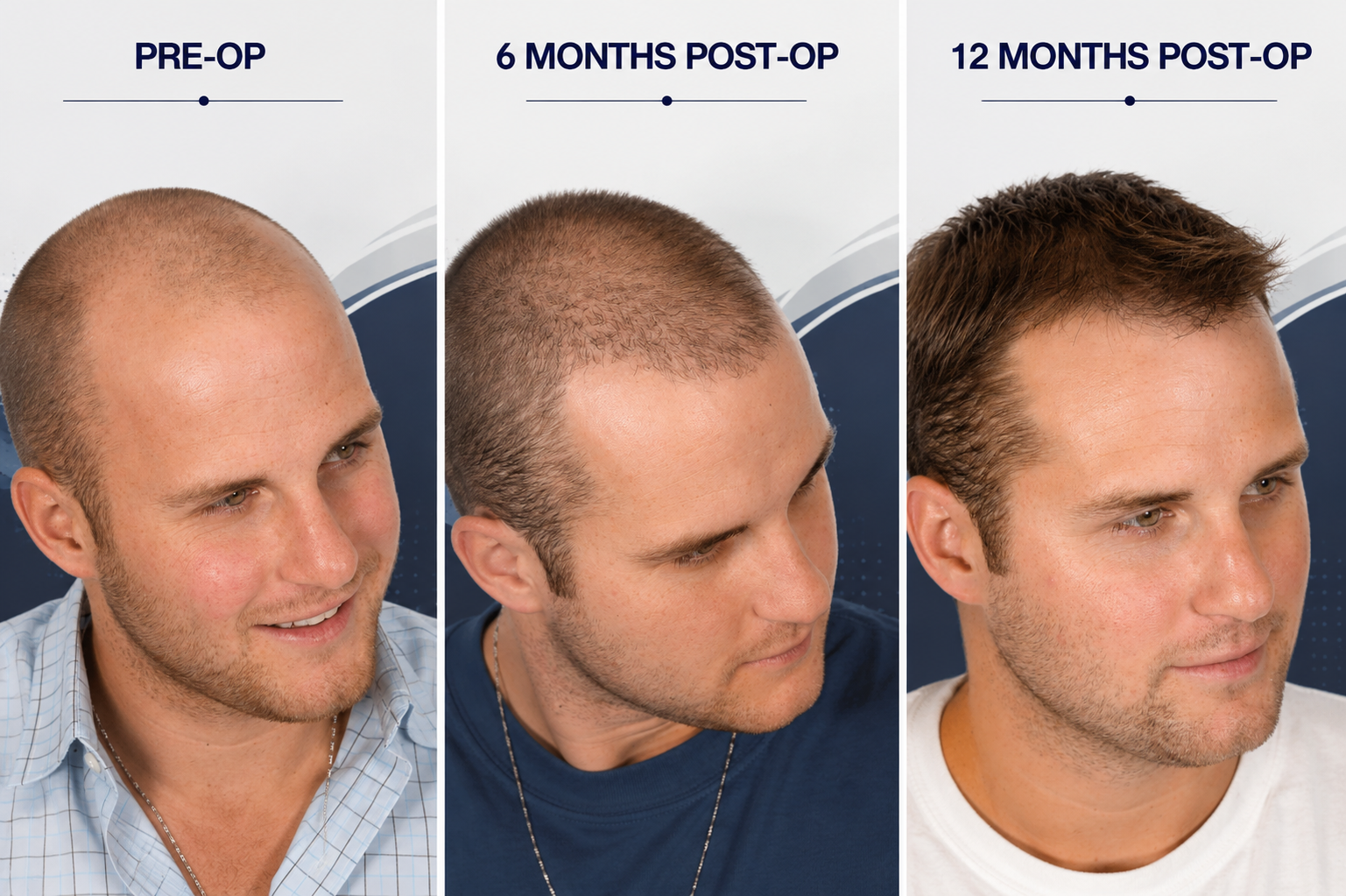
Shortly after surgery, transplanted hairs commonly shed.
This temporary shedding process is called shock loss and is a completely normal part of recovery.
Although the visible hairs fall out, the transplanted follicles remain healthy beneath the scalp and will begin producing new hair within several months.
Shock loss should not be mistaken for treatment failure.
Long-Term Thinning
Although transplanted hair is generally permanent, some gradual thinning may still occur over time due to:
Aging
General hair miniaturization
Individual genetics
Medical conditions
However, transplanted follicles typically remain significantly more resistant to hair loss than native scalp hair.
Can Native Hair Continue to Fall Out?
Yes.
This is one of the most important concepts patients should understand.
While transplanted hair is usually permanent, existing non-transplanted hair may continue thinning as part of the natural progression of androgenetic alopecia.
For this reason, specialists often recommend long-term treatment plans to preserve existing hair.
These may include:
- Finasteride
- Minoxidil
- PRP Therapy
- Exosome Therapy
- Regular follow-up evaluations
Long-term planning is essential for maintaining a natural appearance as patients age.
What Factors Affect Long-Term Results?
Several factors influence the longevity and quality of hair transplant results.
Donor Area Quality
A strong donor area is essential for achieving durable results.
Patients with healthy, dense donor hair often experience the most successful long-term outcomes.
Surgeon Experience
Natural hairline design, proper graft handling, and strategic planning all play major roles in long-term success.
Choosing an experienced medical team is critical.
Age and Hair Loss Progression
Younger patients may continue losing native hair after transplantation.
Long-term treatment strategies become especially important for these individuals.
Lifestyle Factors
Overall health can influence hair quality.
Factors such as:
Smoking
Poor nutrition
Chronic stress
Untreated medical conditions
may negatively affect long-term hair health.
How Long Does a Hair Transplant Last?
For most patients, transplanted hair can last a lifetime.
Many individuals continue enjoying natural-looking results for decades after treatment.
However, because hair loss is progressive, some patients may choose additional procedures in the future to maintain density or address newly developed thinning areas.
Can a Hair Transplant Fail?
Hair transplant failure is uncommon when treatment is performed by experienced medical teams.
However, unsuccessful outcomes may occur because of:
- Poor surgical technique
- Inadequate aftercare
- Improper graft handling
- Unrealistic expectations
- Progressive untreated hair loss
Selecting a reputable clinic significantly reduces these risks.
How Can You Maintain Hair Transplant Results?
Patients can maximize long-term results by:
- Following post-operative instructions carefully
- Attending follow-up appointments
- Maintaining a healthy lifestyle
- Considering preventive medical treatments when appropriate
- Protecting the scalp from excessive sun exposure
Consistency plays an important role in preserving both transplanted and existing hair.
Is Hair Transplant Permanent? Final Thoughts
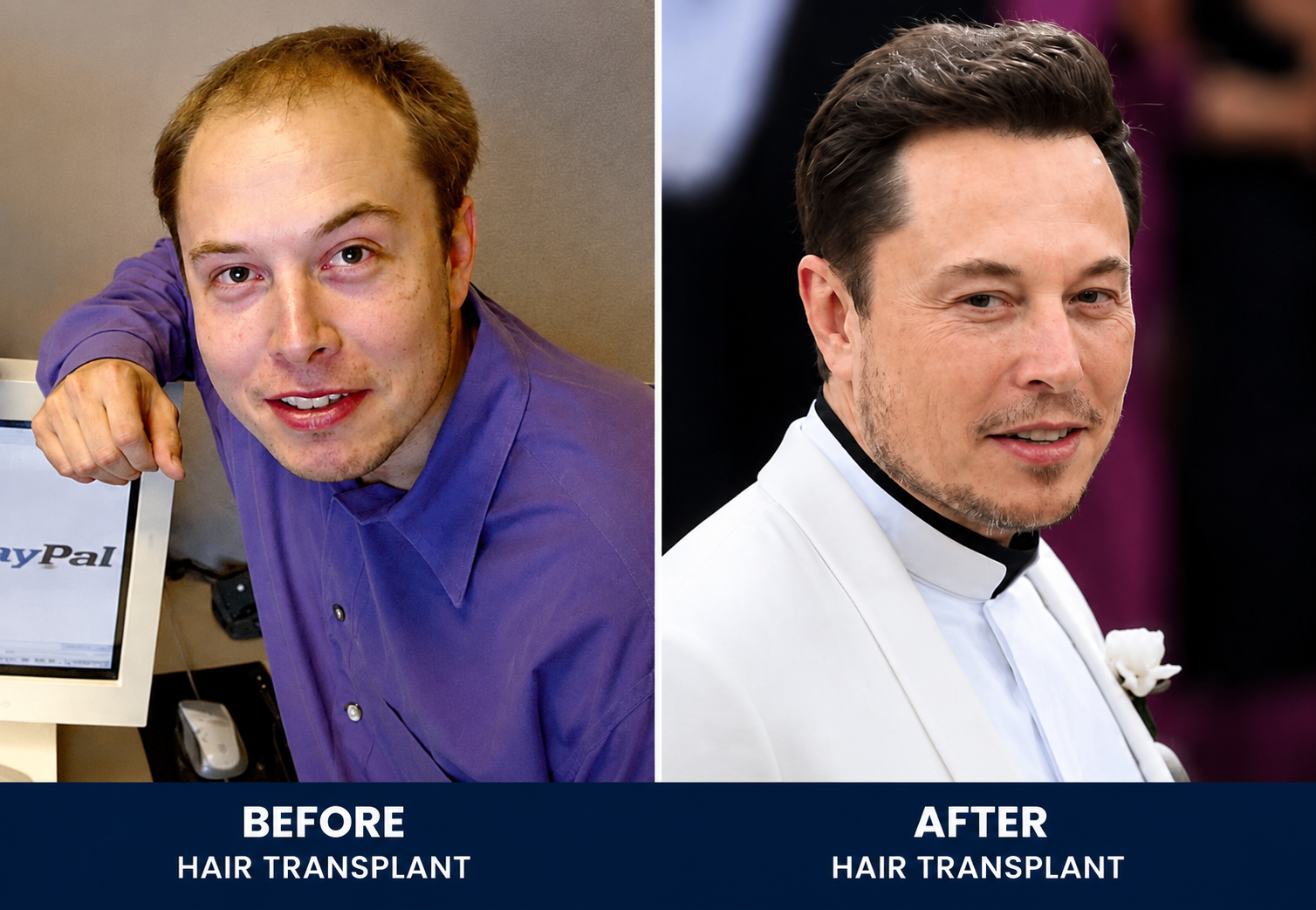
Hair transplantation remains one of the most effective long-term solutions for permanent hair loss.
Because transplanted follicles are typically resistant to DHT, they often continue growing for life.
However, maintaining natural-looking results also requires long-term planning, realistic expectations, and proper aftercare.
A personalized treatment strategy developed with an experienced specialist remains the best way to achieve lasting success.
Frequently Asked Questions
Is a hair transplant truly permanent?
Yes. In most cases, transplanted hair follicles continue growing permanently.
Will transplanted hair fall out years later?
Some age-related thinning may occur, but transplanted follicles are generally highly resistant to hair loss.
Can native hair still fall out after a transplant?
Yes. Existing non-transplanted hair may continue thinning over time.
Do I need medication after a hair transplant?
Some patients may benefit from medications or supportive treatments to preserve native hair.
Can I need a second hair transplant?
Possibly. Some patients choose additional procedures in the future as hair loss progresses.
Medical Disclaimer
This article is intended for educational purposes only and should not replace professional medical advice. Hair transplant outcomes, longevity, and long-term maintenance vary depending on individual factors such as genetics, donor hair quality, age, overall health, and ongoing hair loss progression. Always consult a qualified hair restoration specialist for a personalized evaluation and treatment plan.
Medical Sources & References
- International Society of Hair Restoration Surgery (ISHRS)
Hair Restoration Patient Resources
https://ishrs.org - American Hair Loss Association (AHLA)
Hair Loss & Hair Transplant Information
https://www.americanhairloss.org - American Academy of Dermatology (AAD)
Hair Loss: Diagnosis and Treatment
https://www.aad.org - National Health Service (NHS)
Hair Loss Overview
https://www.nhs.uk - European Hair Research Society (EHRS)
Hair Research and Clinical Guidance
https://ehrs.org