Rhinoplasty in Turkey
Rhinoplasty in Turkey is one of the most popular cosmetic procedures among international patients seeking to improve facial harmony, refine nasal shape, or address breathing concerns. Combining experienced surgeons, advanced surgical techniques, and comprehensive patient support, Turkey has become a leading destination for nose surgery.
Whether your goal is to reduce a dorsal hump, refine the nasal tip, correct asymmetry, or improve nasal function, a personalized rhinoplasty procedure in Novera can help achieve natural-looking and balanced results.
- Rhinoplasty in Turkey
- Quick Summary
- Popular Rhinoplasty Combinations at Novera
- Your 7-Day Rhinoplasty Journey
- What Is Rhinoplasty?
- Why Do People Travel to Turkey for Rhinoplasty?
- Who Is a Good Candidate for Rhinoplasty?
- Types of Rhinoplasty
- Open vs Closed Rhinoplasty
- The Rhinoplasty Process
- Rhinoplasty Recovery Timeline
- Essential Aftercare Tips
- Rhinoplasty Before and After Results
- Rhinoplasty Cost in Turkey
- Frequently Asked Questions (FAQs)
Quick Summary
Rhinoplasty in Turkey can improve both appearance and breathing function.
Treatment Attribute | Quick Details |
Procedure Time | 1 to 3 Hours |
Surgical Techniques | Open, closed, preservation, and Piezo Rhinoplasty |
Stay in Turkey | 6 Nights / 7 Days (1 night hospital, 5 nights luxury hotel) |
Initial Recovery | 1 to 2 weeks (Splint removed on Day 6) |
Final Results | Ongoing refinement, fully visible at 12 months |
Inclusions | Surgery, VIP transfers, 4/5-star hotel, aftercare kit, post-op support |
Popular Rhinoplasty Combinations at Novera
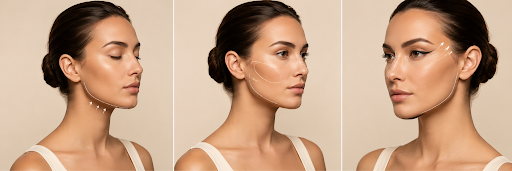
Reshaping the nose heavily influences how your other facial features project. Combining rhinoplasty with these precise surgical procedures during a single anesthesia session delivers ultimate, balanced facial geometry:
1. The Master Profile Harmony (Profiloplasty): Rhinoplasty + Chin Liposuction
This is the absolute gold standard for lower-face and profile balancing. Often, a nose appears too prominent simply because a genetic “double chin” or heavy submental fat breaks the neck-to-jaw angle. By vacuuming away stubborn chin fat while simultaneously contouring the nose bridge, our surgeons create a perfectly straight, structural profile line.
2. The High-Fashion Frame: Rhinoplasty + Bichectomy (Buccal Fat Removal)
A highly requested combo among younger patients. While rhinoplasty narrows a wide nose or refines a bulbous tip, Bichectomy gently extracts the internal yanak fat pads to create elegant, hollow shadows under the cheekbones. Together, they shift the face from a round or heavy appearance into a sharp, slimmed, and highly structured look.
3. The Complete Structural Lift: Rhinoplasty + Canthopexy or Eyebrow Lift
Lifting the outer corners of the eyes or brow tails while restructuring the nose transforms the entire upper and mid-face. This combination instantly clears any facial tiredness or “droopiness,” framing your newly contoured nose with a striking, bright, and universally attractive eye alignment.
Your 7-Day Rhinoplasty Journey
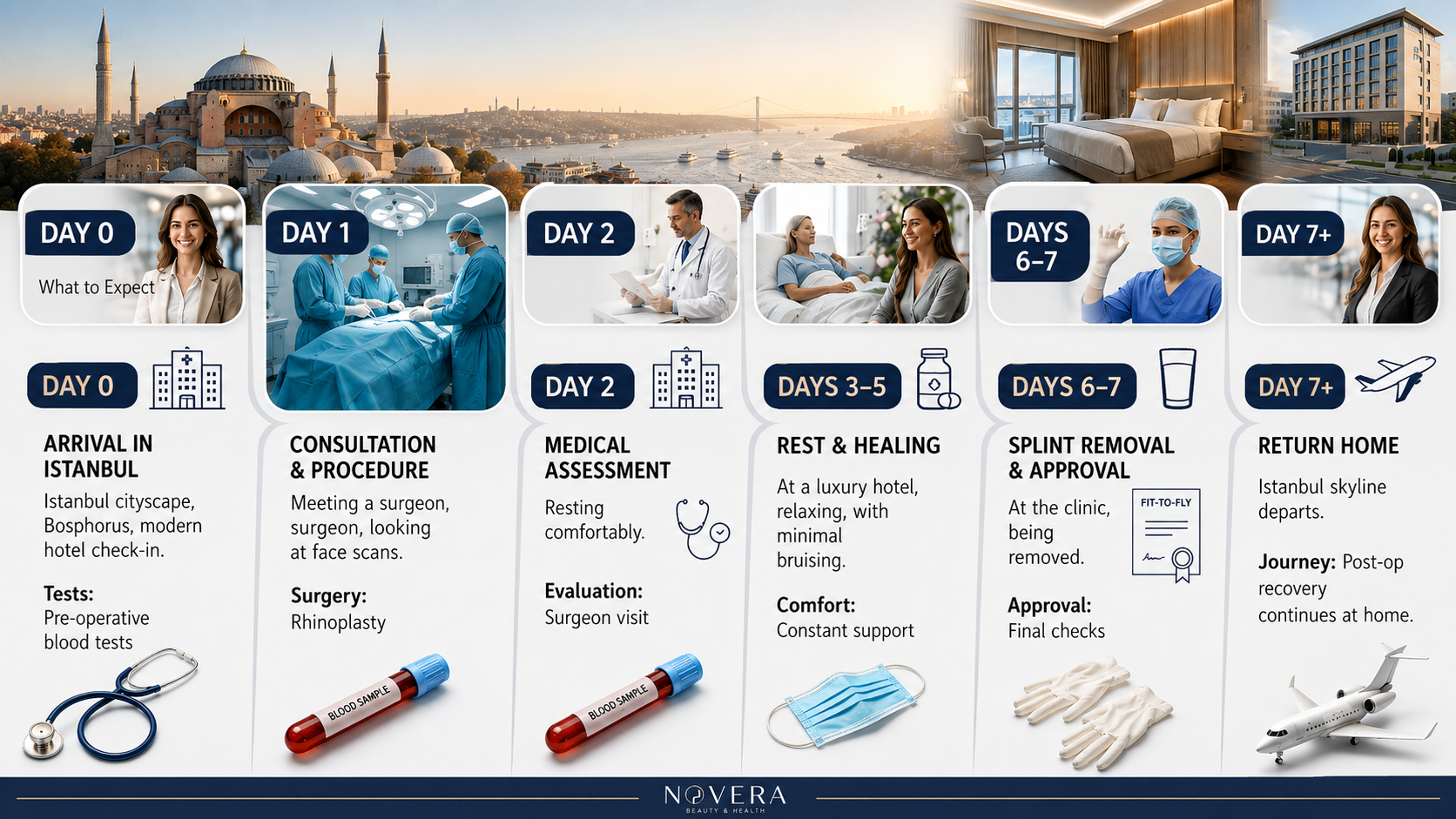
Day 0 | Arrival in Istanbul, hotel check-in, pre-operative tests |
Day 1 | Consultation, surgical planning, rhinoplasty procedure |
Day 2 | Recovery, medical assessment, return to hotel |
Days 3–5 | Rest, healing, follow-up support |
Days 6–7 | Splint removal, final surgeon check, fit-to-fly approval |
Day 7+ | Return home and continue recovery |
What Is Rhinoplasty?
Rhinoplasty, commonly known as a nose job, is a surgical procedure designed to reshape, resize, or reconstruct the nose.
The procedure may address:
- Nasal hump reduction
- Wide nose correction
- Bulbous tip refinement
- Drooping nasal tip
- Crooked nose correction
- Nostril reshaping
- Facial balance improvement
- Breathing difficulties
A successful rhinoplasty should enhance facial harmony while maintaining a natural appearance that complements the patient’s individual features.
Why Do People Travel to Turkey for Rhinoplasty?
Experienced Rhinoplasty Surgeons
Turkey performs thousands of rhinoplasty procedures every year, providing surgeons with extensive experience across different facial structures and surgical techniques.
Modern Hospitals & Technology
Many procedures are performed in internationally accredited hospitals equipped with advanced surgical technology and comprehensive patient care services.
Competitive Pricing
Many patients researching rhinoplasty in turkey price or wondering how much is rhinoplasty in turkey choose Turkey because it often offers significant cost advantages compared with the USA, UK, and Western Europe.
Comprehensive Patient Packages
Many international patients benefit from:
Hotel accommodation
Airport transfers
Interpreter support
Dedicated patient coordinators
Post-operative follow-up

Who Is a Good Candidate for Rhinoplasty?
You may be a suitable candidate if you:
- Are unhappy with the appearance of your nose
- Have breathing difficulties
- Have completed facial development
- Are in good overall health
- Have realistic expectations
- Wish to improve facial balance and harmony
Types of Rhinoplasty
Primary Rhinoplasty
Primary rhinoplasty refers to a patient’s first nose surgery and focuses on improving aesthetics, function, or both.
Revision Rhinoplasty
Revision rhinoplasty is performed to improve the outcome of a previous nose surgery or address functional concerns.
Ethnic Rhinoplasty
Ethnic rhinoplasty turkey procedures aim to preserve ethnic identity while enhancing nasal proportions and function.
Septorhinoplasty
Septorhinoplasty combines cosmetic nose reshaping with correction of a deviated septum to improve breathing.
Piezo Rhinoplasty (Ultrasonic Rhinoplasty)
Piezo Rhinoplasty uses ultrasonic technology to reshape nasal bones with exceptional precision.
Unlike traditional methods, Piezo technology allows surgeons to modify bone while minimizing trauma to surrounding tissues.
Potential benefits include:
Greater surgical precision
Reduced tissue trauma
Less bruising and swelling
Improved control during bone reshaping
Faster early recovery for some patients
Open vs Closed Rhinoplasty
Experienced Rhinoplasty Surgeons
Turkey performs thousands of rhinoplasty procedures every year, providing surgeons with extensive experience across different facial structures and surgical techniques.
Modern Hospitals & Technology
Many procedures are performed in internationally accredited hospitals equipped with advanced surgical technology and comprehensive patient care services.
Competitive Pricing
Many patients researching rhinoplasty in turkey price or wondering how much is rhinoplasty in turkey choose Turkey because it often offers significant cost advantages compared with the USA, UK, and Western Europe.
Open vs Closed Rhinoplasty
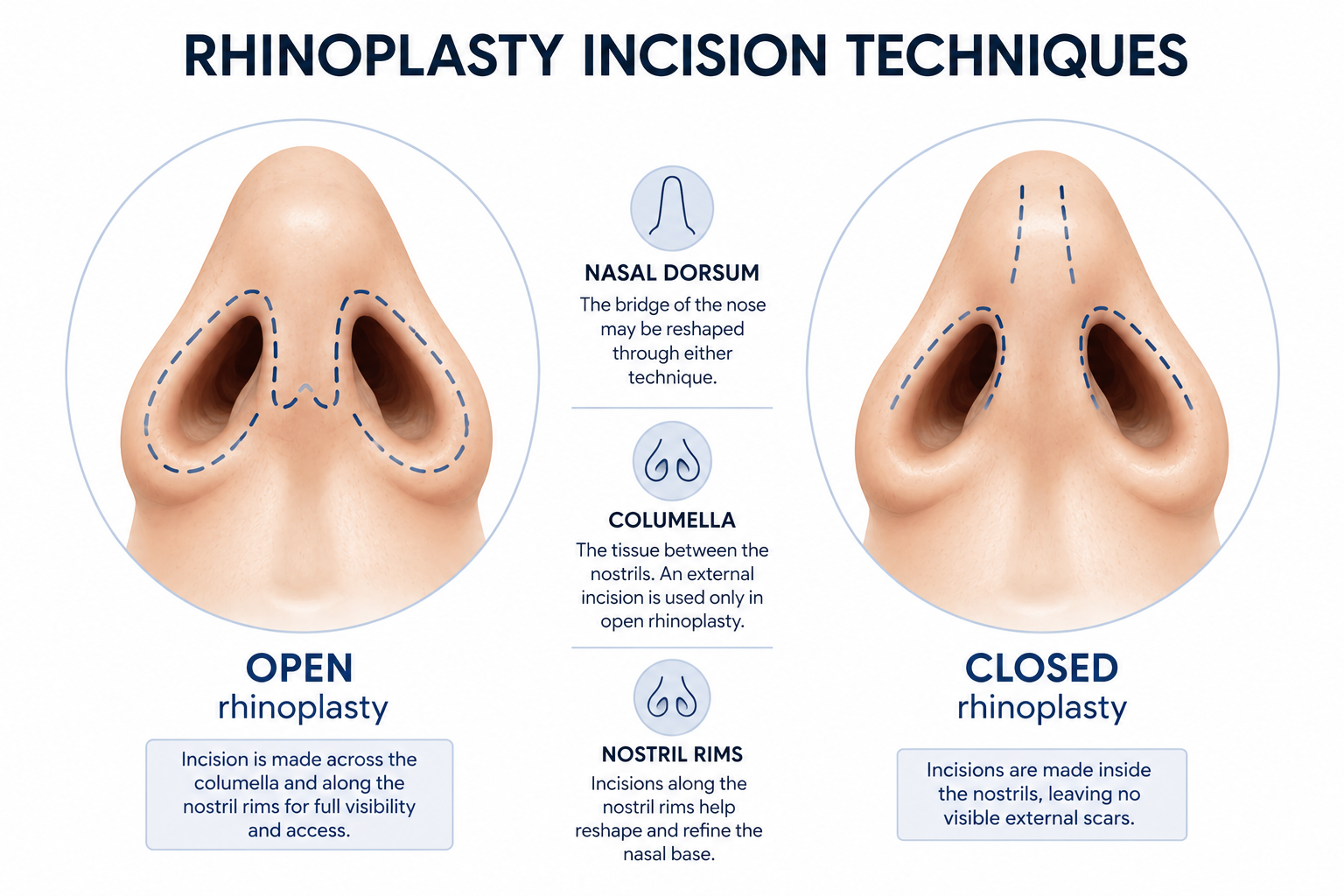
Open Rhinoplasty | Closed Rhinoplasty |
Small external incision | No external incision |
Better visibility for complex cases | Faster early recovery |
Common in most cases | Suitable for selected primary cases |
Greater surgical access | Less visible post-operative swelling |
The most appropriate technique depends on your anatomy, goals, and surgeon’s recommendations.
The Rhinoplasty Process
1. Online Consultation
Your journey typically begins with an online consultation where photographs are reviewed and treatment goals are discussed.
2. Treatment Planning
The surgeon evaluates facial proportions, nasal structure, and breathing function to create a personalized treatment plan.
3. Surgery Day
The procedure is usually performed under general anesthesia and takes approximately 2–4 hours.
4. Recovery & Follow-Up
Following surgery, patients receive detailed aftercare instructions and ongoing support throughout recovery.
Rhinoplasty Recovery Timeline
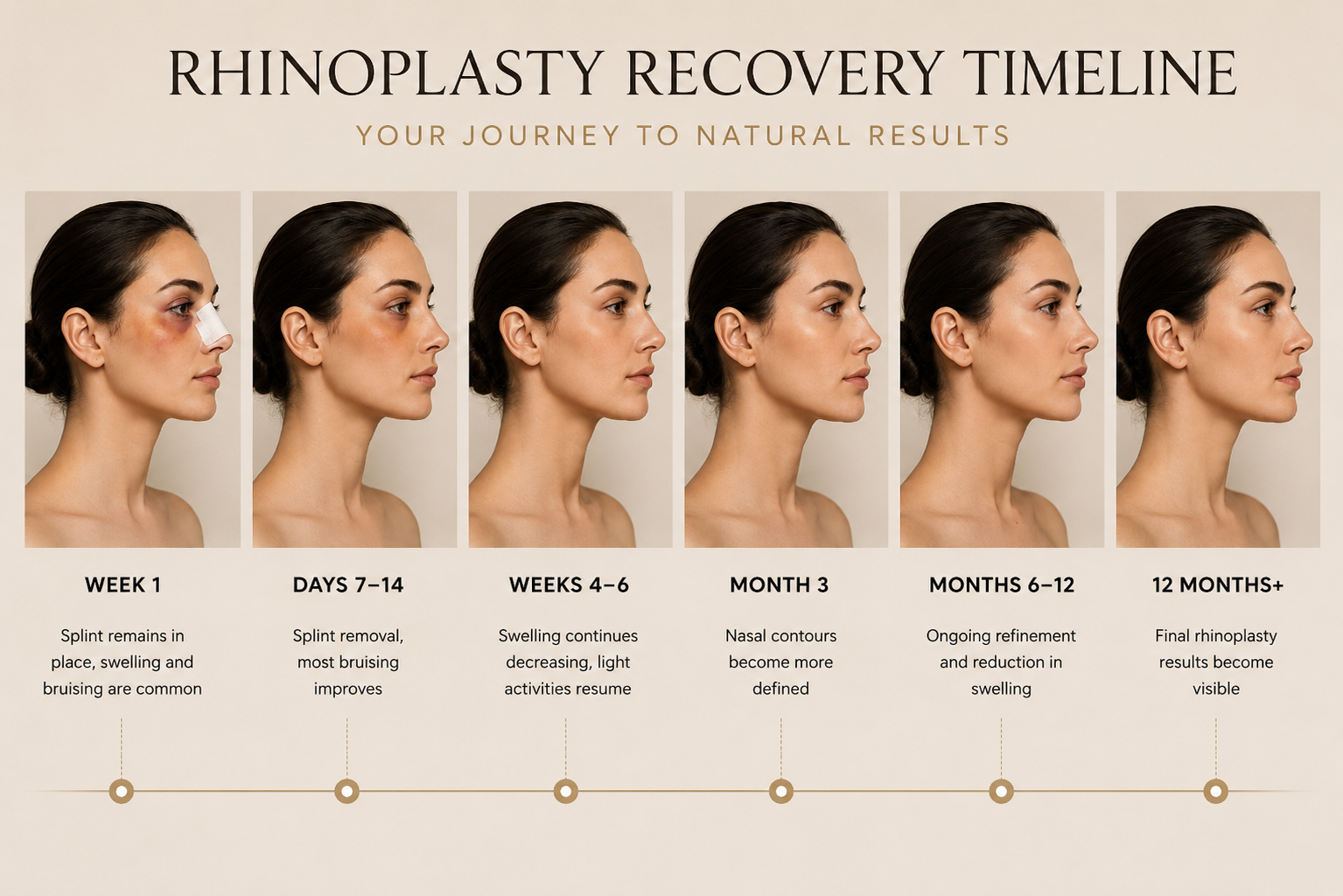
Timeline | What to Expect |
Week 1 | Splint remains in place, swelling and bruising are common |
Days 7–14 | Splint removal, most bruising improves |
Weeks 4–6 | Swelling continues decreasing, light activities resume |
Month 3 | Nasal contours become more defined |
Months 6–12 | Ongoing refinement and reduction in swelling |
12 Months+ | Final rhinoplasty results become visible |
Essential Aftercare Tips
Keep Your Head Elevated
Sleeping with your head elevated may help reduce swelling during the first weeks of recovery.
Apply Cold Compresses
Cold compresses can help minimize bruising and swelling during the early recovery period.
Avoid Direct Sun Exposure
Protect your nose from prolonged sun exposure while healing.
Follow Your Surgeon’s Instructions
Carefully following medication, taping, and follow-up recommendations plays an important role in achieving optimal results.
Rhinoplasty Before and After Results
Successful rhinoplasty before and after results should demonstrate:
- Natural-looking changes
- Improved facial harmony
- Balanced proportions
- Preserved individuality
- Long-term stability
The goal of rhinoplasty is not to create a totally different nose. It is to create a nose that naturally complements the rest of the face.
Rhinoplasty Cost in Turkey
The cost of rhinoplasty in Turkey depends on several factors:
Surgeon experience
Procedure complexity
Primary or revision surgery
Hospital facilities
Technique used
Package inclusions
Compared with many Western countries, Turkey remains one of the most cost-effective destinations for high-quality rhinoplasty procedures.
Country | Average Rhinoplasty Cost |
Turkey | €3,000 – €8,000 |
United Kingdom | €9,000 – €15,000 |
United States | €10,000 – €20,000+ |
Canada | €8,500 – €14,000 |
Australia | €9,000 – €16,000 |
Germany | €7,500 – €12,000 |
Frequently Asked Questions
When performed by qualified surgeons in accredited hospitals, rhinoplasty in Turkey is considered a safe and well-established procedure. Choosing an experienced surgeon and following post-operative instructions are key factors for a successful outcome.
The cost varies depending on the surgeon, procedure complexity, surgical technique, and treatment plan. A personalized consultation provides the most accurate estimate.
Most international patients stay in Turkey for approximately 7–10 days, allowing enough time for surgery, initial recovery, cast removal, and follow-up appointments.
Most rhinoplasty procedures take 2–4 hours, depending on the complexity of the case. Revision surgeries may take longer than primary procedures.
Patients generally experience mild discomfort rather than significant pain. Any discomfort is usually well managed with prescribed medication.
Yes. Functional rhinoplasty and septorhinoplasty can improve airflow by correcting structural issues such as a deviated septum.
Piezo Rhinoplasty uses ultrasonic technology to reshape nasal bones with exceptional precision while minimizing trauma to surrounding soft tissues. It may reduce bruising and swelling compared with traditional techniques.
Open rhinoplasty provides greater visibility for complex procedures through a small incision on the columella, while closed rhinoplasty is performed entirely through internal incisions with no visible external scar. The most suitable approach depends on the patient’s anatomy and surgical goals.
Revision rhinoplasty is performed to improve or correct the outcome of a previous nose surgery or address persistent functional concerns.
Ethnic rhinoplasty enhances the nose while preserving each patient’s natural ethnic identity. Different anatomical characteristics may require specialized surgical techniques and, in some cases, cartilage grafting.
Every rhinoplasty is customized to the patient’s unique anatomy. While significant improvements can be achieved, realistic expectations are essential because healing and final outcomes vary from person to person.
Most patients notice significant improvement within a few months, but subtle refinement continues as swelling resolves. Final results are usually visible after 12 months, although some patients may continue improving beyond one year.
Most patients can fly after receiving clearance from their surgeon, usually following their first post-operative check-up and cast removal.
Closed rhinoplasty leaves no visible external scar. Open rhinoplasty involves a small incision on the columella, which typically heals very well and becomes barely noticeable over time.
Yes. Previous fillers may influence surgical planning. In many cases, fillers should be dissolved before surgery to allow proper assessment and achieve the best possible outcome.
Yes. Being on your period generally does not increase the risk of complications. However, it is important to inform your surgeon about your medical history and any medications you are taking.
Yes. During the first year, your nose continues to heal and should be protected from trauma or excessive pressure. As healing progresses, the nasal structures gradually regain their strength.
Yes. Sneezing is completely normal. Patients are generally advised to sneeze with their mouth open to reduce pressure on the healing nose.
Yes. Depending on your treatment goals and overall health, rhinoplasty can often be combined with other facial or cosmetic procedures during the same surgical session.
Like any surgical procedure, rhinoplasty carries potential risks such as bleeding, infection, prolonged swelling, asymmetry, or the need for revision surgery. Choosing an experienced surgeon and following aftercare instructions helps minimize these risks.
In most cases, the nasal cast is removed 5–7 days after surgery during your follow-up appointment.
Most office workers return to work within 1–2 weeks. Patients with physically demanding jobs may require a longer recovery period.
Light walking is encouraged during recovery, but strenuous exercise should generally be avoided for several weeks. Contact sports should only be resumed after your surgeon confirms it is safe.
Swimming, diving, prolonged sun exposure, and tanning should be avoided during the early recovery period to reduce the risk of complications and protect healing tissues.
Glasses place pressure on the healing nasal bones. Your surgeon will advise when it is safe to resume wearing prescription glasses or sunglasses based on your recovery progress.
Most patients can wear makeup after the cast has been removed, provided they avoid placing pressure directly on the healing nose or incision sites.
Sleeping on your back with your head elevated during the first few weeks helps reduce swelling and protects the nose while it heals.
Arnica tablets are generally not recommended because they may increase the risk of bleeding. Bromelain may be recommended in some cases to help reduce swelling, but you should only take it after consulting your surgeon and following their specific post-operative advice.
There is no universally better technique. Open rhinoplasty provides greater visibility and is often recommended for complex, revision, or structural procedures. Closed rhinoplasty leaves no external scar and may offer a faster early recovery in selected cases. Your surgeon will recommend the most appropriate approach based on your anatomy and treatment goals.
The timing depends on the surgical technique used.
After Closed Rhinoplasty: Makeup can usually be worn once the splint and cast have been removed, typically after about one week. Care should be taken to avoid pressure on the healing nose.
After Open Rhinoplasty: Because there is an external incision, most surgeons recommend waiting 3–4 weeks before applying makeup around the incision area. Makeup should never be applied directly over healing wounds or stitches until they are fully healed.
