Female Hair Transplant in Turkey
A female hair transplant in Turkey is one of the most effective long-term solutions for women experiencing hair thinning, temporal recession, traction alopecia, or a naturally high hairline. Unlike male pattern baldness, female hair loss often presents as diffuse thinning across the scalp, making treatment planning more complex and highly individualized.
- Female Hair Transplant in Turkey
- What Is a Female Hair Transplant?
- Female Hair Transplant Techniques
- Who Is a Good Candidate?
- Female Hair Transplant Recovery Timeline
- Why Choose Turkey for Female Hair Transplant?
- Female Hair Transplant Cost in Turkey
- Female Hair Transplant Before and After Results
- Frequently Asked Questions
Quick Summary
Today, thousands of international patients travel for a female hair transplant Turkey thanks to experienced medical teams, advanced DHI and FUE techniques, and more competitive pricing compared to Europe and North America.
Whether your goal is to restore hair density, lower your hairline, or improve thinning areas, a female hair transplant in Turkey can provide natural-looking, permanent results when performed by experienced specialists.
- Full head shaving is usually not required.
- DHI is often preferred for a hair transplant for women because it allows implantation between existing hairs.
- Ideal for traction alopecia, temporal recession, female pattern hair loss, and hairline lowering.
- Natural density and feminine hairline design are prioritized.
- Most women return to daily activities within a few days.
- Final female hair transplant before and after results typically develop between 12 and 18 months.
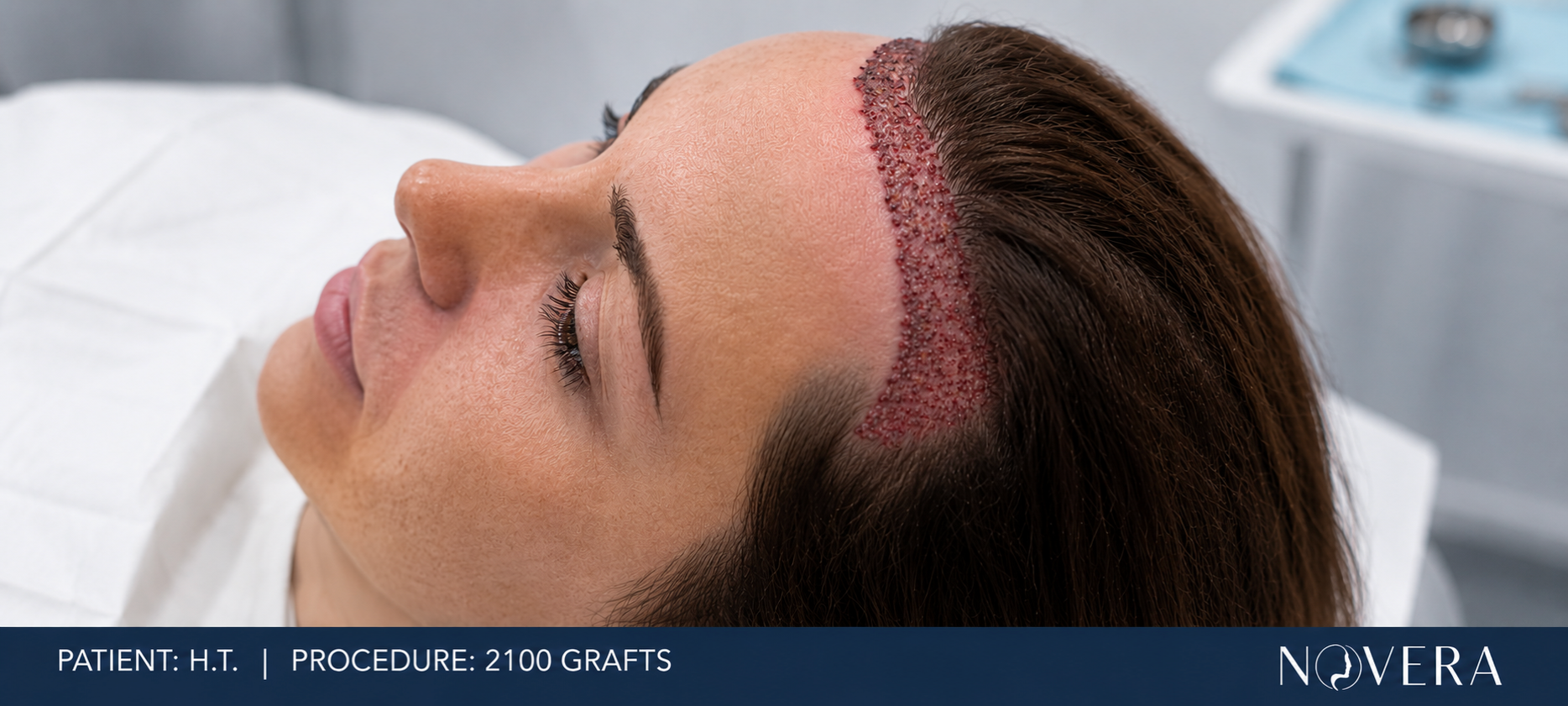
What Is a Female Hair Transplant?
A female hair transplant in Turkey is a specialized hair restoration procedure designed specifically for women experiencing hair thinning or localized hair loss.
Unlike male procedures, which often focus on restoring receding hairlines, a female hair transplant typically aims to:
- Increase overall hair density
- Restore thinning temporal areas
- Lower a naturally high hairline
- Improve facial framing
- Camouflage scars
- Restore eyebrow density
Common Reasons Women Seek Hair Restoration
Women hair transplant Turkey is chosen by many women for a variety of reasons, including:
- Female pattern hair loss
- Traction alopecia
- Hormonal hair loss
- Post-pregnancy hair thinning
- A naturally high hairline
- Temporal recession
- Scar camouflage
- Eyebrow restoration
Because female hair loss patterns differ significantly from male hair loss, an accurate diagnosis and personalized treatment plan are essential to achieving natural-looking and long-lasting results.
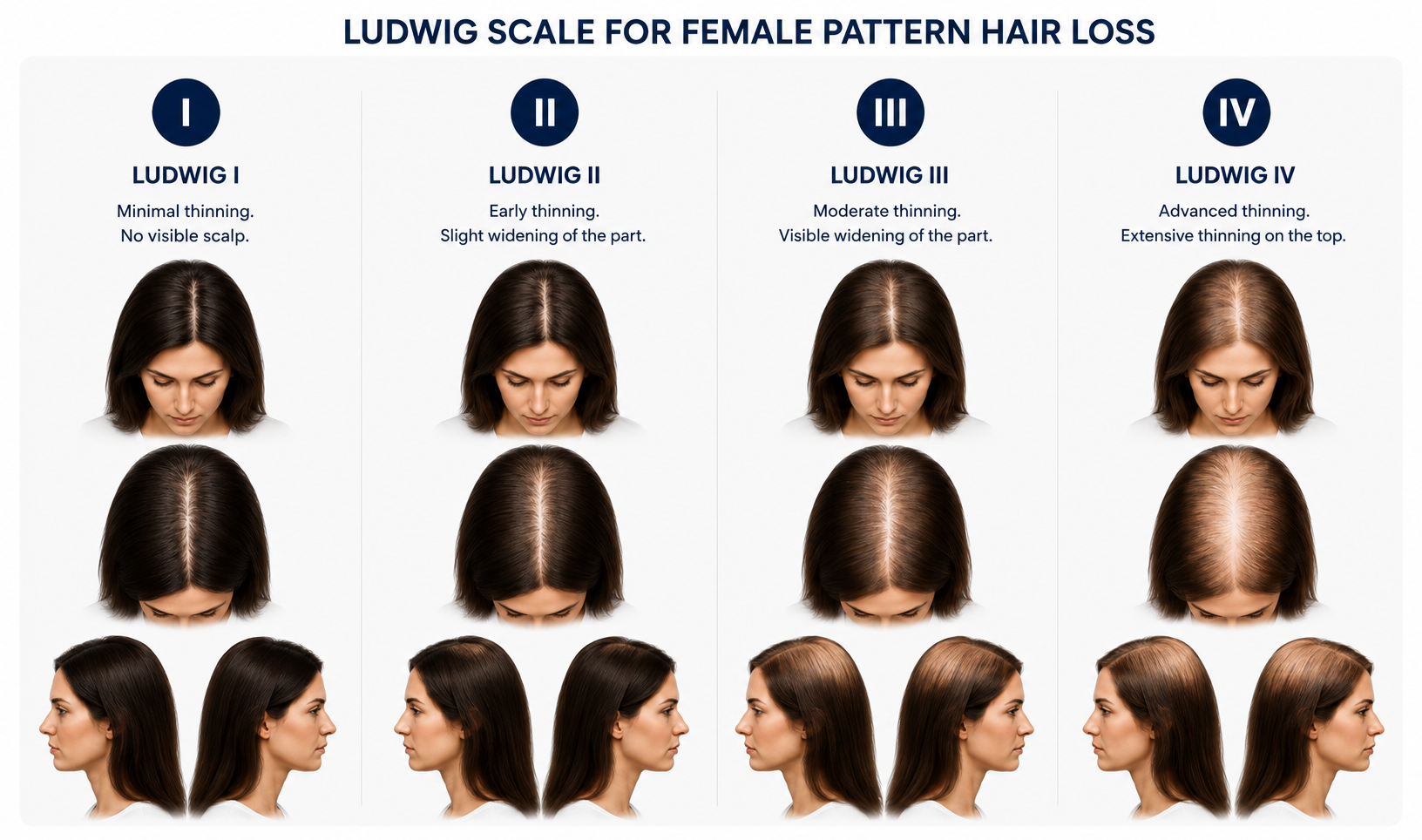
Female Hair Transplant Techniques
Modern female hair restoration procedures in Turkey are most commonly performed using DHI or FUE techniques.
DHI Hair Transplant for Women
DHI (Direct Hair Implantation) is often considered the preferred technique for female hair transplantation in Turkey because it allows for precise graft implantation between existing hairs without requiring extensive shaving.
Benefits of DHI include:
High-density implantation
Minimal or no shaving in many cases
Natural-looking hairline design
Precise graft placement
A faster return to social activities
FUE Hair Transplant for Women
FUE Hair Transplant for Women
FUE (Follicular Unit Extraction) remains one of the most popular techniques for women undergoing hair transplantation. During the procedure, individual hair follicles are extracted from the donor area and transplanted into thinning or balding regions.
In many cases, only a small, discreet section of the donor area needs to be trimmed, allowing patients to maintain their usual hairstyle throughout the recovery period.
Who Is a Good Candidate?
A female hair transplant in Turkey may be suitable for women who:
- Have stable hair loss
- Possess a healthy donor area
- Experience localized thinning or hair loss
- Have realistic expectations about the results
- Are seeking a permanent hair restoration solution
Women experiencing diffuse thinning in the donor area may require additional evaluation to determine whether hair transplantation is the most appropriate treatment option.
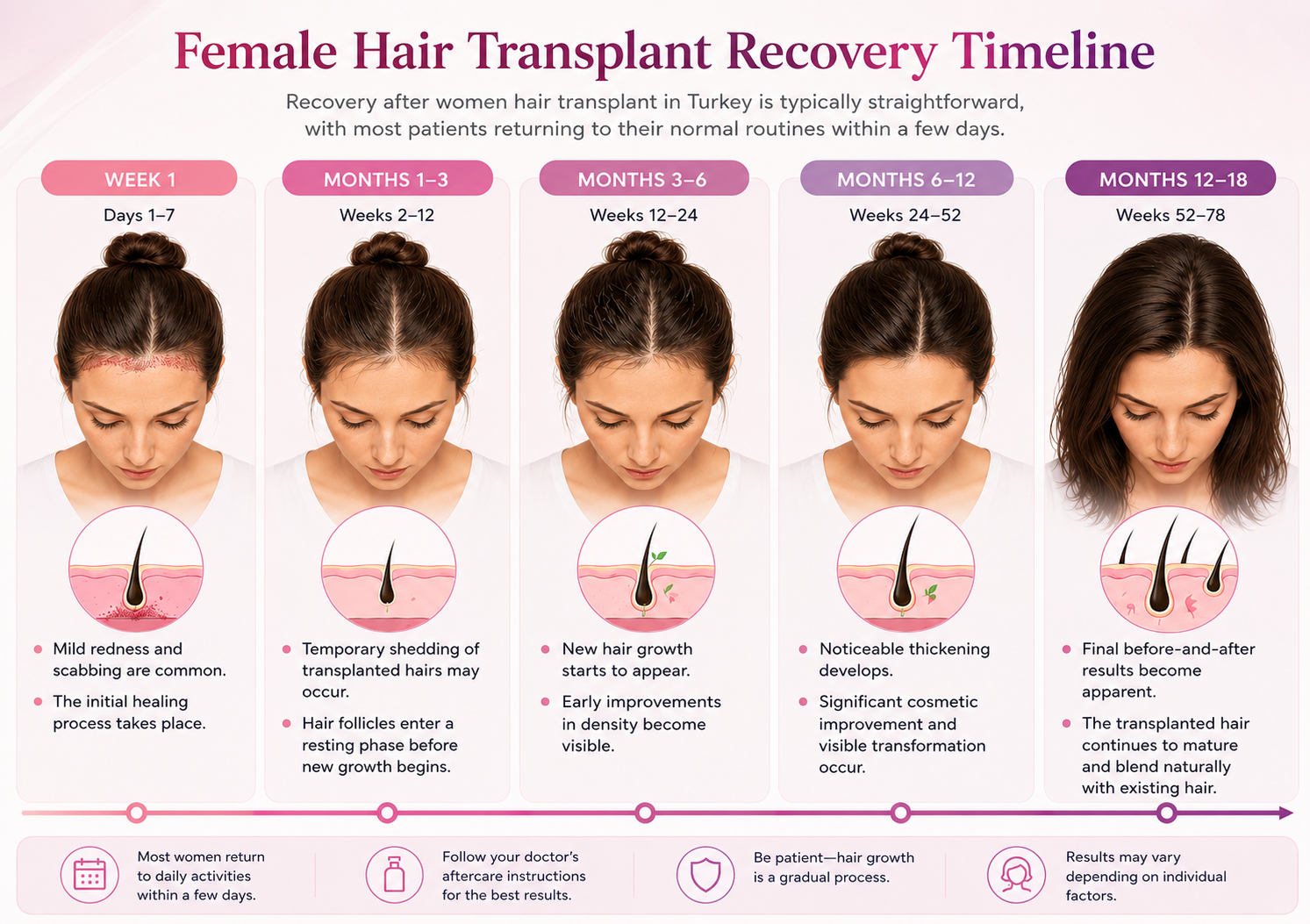
Female Hair Transplant Recovery Timeline
Recovery after women hair transplant in Turkey is typically straightforward, with most patients returning to their normal routines within a few days.
Week 1
Mild redness and scabbing are common.
The initial healing process takes place.
Months 1–3
Temporary shedding of transplanted hairs may occur.
Hair follicles enter a resting phase before new growth begins.
Months 3–6
New hair growth starts to appear.
Early improvements in density become visible.
Months 6–12
Noticeable thickening develops.
Significant cosmetic improvement and visible transformation occur.
Months 12–18
Final before-and-after results become apparent.
The transplanted hair continues to mature and blend naturally with existing hair.
Why Choose Turkey for Female Hair Transplant?
Turkey has become a global leader in female hair transplant thanks to its combination of medical expertise, advanced technology, and patient-centered care.
Key advantages include:
- Highly experienced medical teams specializing in female hair restoration
- Advanced DHI and FUE techniques
- Competitive pricing compared to Europe and North America
- Comprehensive all-inclusive treatment packages
- Dedicated international patient support services
- High patient satisfaction rates
For women seeking natural-looking density, enhanced confidence, and long-term hair restoration, a female hair transplant in Turkey can be a highly effective and life-changing solution.
Female Hair Transplant Cost in Turkey
Turkey has become one of the world’s leading destinations for female hair transplantation by combining internationally experienced surgeons, advanced techniques, and significantly lower treatment costs than many European countries, the UK, or the United States.
At Novera Healthcare, every treatment plan is tailored to the patient’s individual needs. The total cost depends on factors such as the extent of hair loss, the number of grafts required, the selected technique, and any additional treatments recommended to improve long-term hair growth.
What Affects the Cost?
The price of a female hair transplant may vary depending on:
The number of grafts required
The severity and pattern of hair loss
Whether DHI or FUE is performed
The surgeon’s expertise
Additional regenerative treatments, such as Exosome Therapy or Stem Cell Therapy
The services included in your treatment package
What’s Included in Our Hair Transplant Packages?
Most international patients choose an all-inclusive package, which typically includes:
Medical consultation and hair analysis
Female hair transplant procedure
Medication and aftercare products
Luxury hotel accommodation
VIP airport and clinic transfers
Professional interpreter support
Post-operative follow-up
Why Is a Female Hair Transplant More Affordable in Turkey?
Hair transplant prices in Turkey are generally more affordable because of lower operating costs and the country’s high treatment volume—not because of lower quality. Patients receive treatment from experienced surgeons using modern techniques while benefiting from comprehensive medical travel packages.
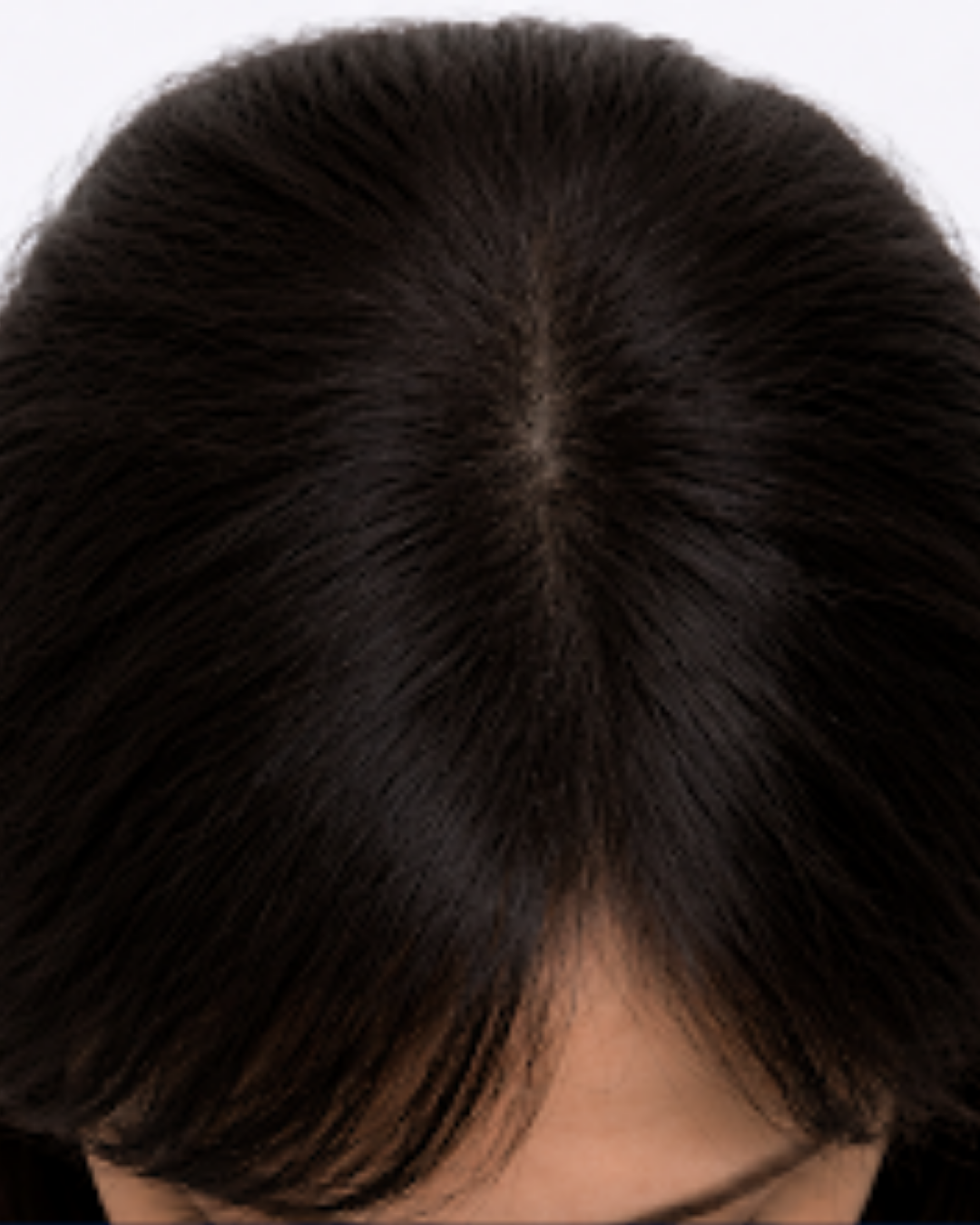
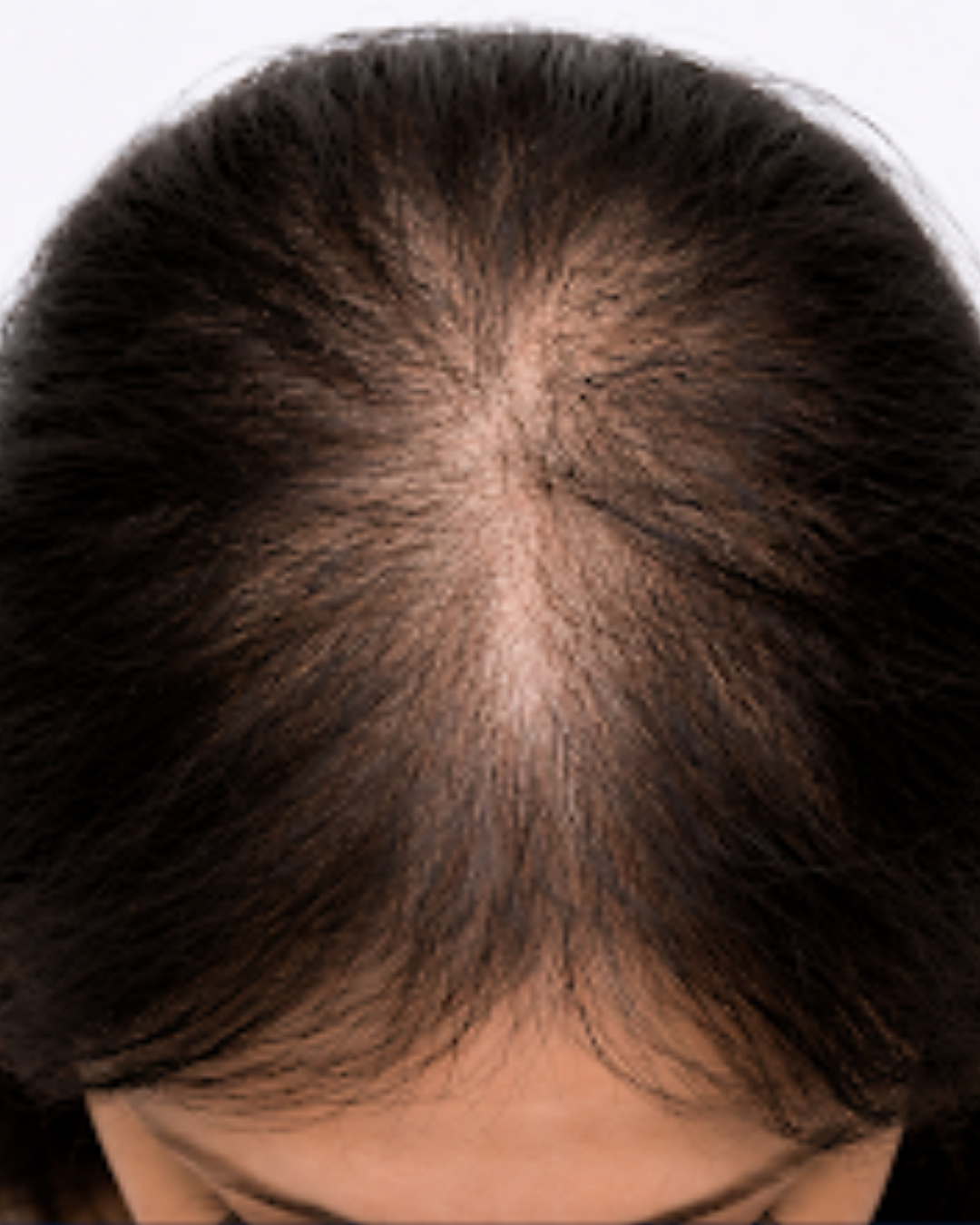
Female Hair Transplant Before and After Results
A female hair transplant delivers gradual, natural-looking improvements rather than instant results. Because transplanted follicles follow the normal hair growth cycle, patience is essential during the recovery process. Most women begin to notice new growth after three to four months, while significant improvements in density and coverage typically appear between six and twelve months. Final results are usually visible within 12 to 18 months.

Frequently Asked Questions
Not necessarily. Many women are candidates for unshaven or partially shaved procedures. In most cases, only a small section of the donor area needs to be trimmed and can be easily concealed by the surrounding hair.
An unshaven female hair transplant allows patients to undergo treatment without shaving the entire scalp. This approach is particularly popular among women who wish to maintain their hairstyle and return to their daily lives with minimal disruption.
Women may be suitable candidates if they:
Have stable hair loss
Have a healthy donor area
Experience localized thinning
Have realistic expectations
Are seeking a long-term hair restoration solution
Yes. A female hair transplant requires a different approach to hairline design, density planning, and graft placement.
Unlike male procedures, the goal is often to increase hair density while preserving existing hair and maintaining a soft, feminine appearance.
Common causes of female hair loss include:
Female pattern hair loss
Genetics
Hormonal changes
Menopause
Pregnancy-related shedding
Polycystic ovary syndrome (PCOS)
Iron deficiency
Stress
Traction alopecia
Identifying the underlying cause is essential before considering hair transplant surgery.
Yes. Many women experiencing traction alopecia caused by tight ponytails, braids, extensions, or weaves can achieve excellent results once the hair loss has stabilized.
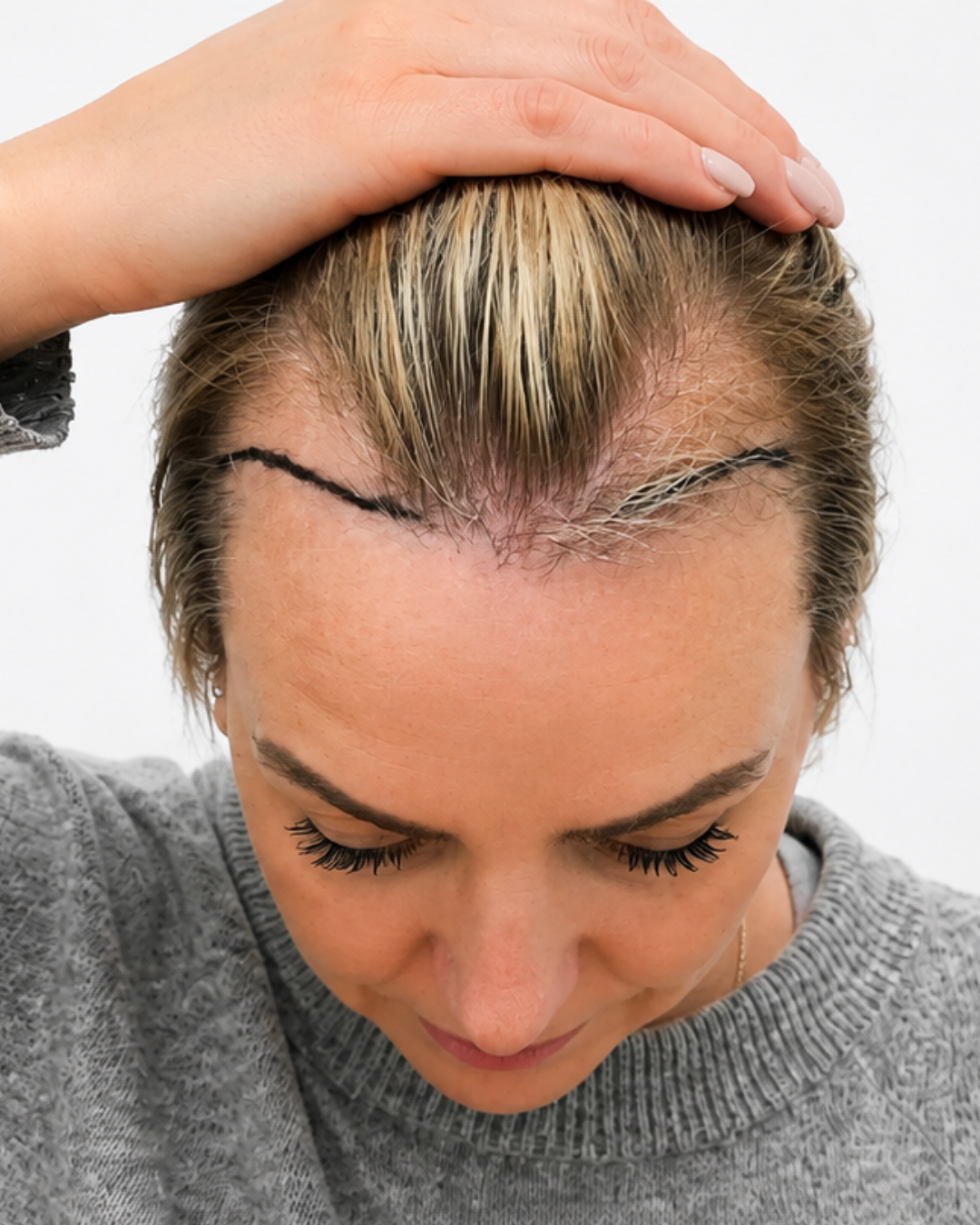
Yes. Hairline lowering is one of the most common reasons women seek a female hair transplant.
A carefully designed hairline can improve facial balance while maintaining a natural and feminine appearance.
Both techniques can produce excellent results.
DHI is often preferred for increasing density and implanting grafts between existing hairs, while FUE may be recommended for larger treatment areas.
The most suitable technique depends on the patient’s hair loss pattern, hair characteristics, and aesthetic goals.
Protecting existing hair is one of the main priorities during female hair transplantation. Advanced DHI and FUE techniques are specifically designed to preserve existing follicles whenever possible.
Most procedures take between 5 and 8 hours, depending on the number of grafts and the size of the treatment area.
The procedure is performed under local anesthesia, and most patients experience minimal discomfort during treatment. Mild soreness or tenderness may occur during the recovery period.
Most women can return to work within 3 to 7 days, especially when unshaven techniques are used.
Initial healing typically occurs within 7 to 14 days.
Hair growth generally follows this timeline:
Months 1–3: Temporary shedding phase
Months 3–6: New hair growth begins
Months 6–12: Significant improvements in density become visible
Months 12–18: Final results develop
Most patients begin to notice visible new growth after 3 to 4 months, while significant density improvements typically occur between months 6 and 12.
Yes. Transplanted hair follicles are generally resistant to hair loss and can continue growing long term. However, existing non-transplanted hair may still be affected by future hormonal or genetic changes.
Potentially, yes. However, donor area quality and the pattern of hair loss must be carefully evaluated during the consultation process.
Yes. Curly and textured hair can be successfully transplanted when appropriate techniques are used and the treatment plan is customized to the patient’s unique hair characteristics.
Women choose Turkey for hair transplantation because of:
Experienced medical teams
Advanced DHI and FUE techniques
Natural-looking hairline design
Competitive pricing
Comprehensive treatment packages
Dedicated international patient support
Yes. Before choosing a clinic, patients should always review genuine before-and-after photos to evaluate hairline design, density, and the overall quality of the results.
