

Table of Contents
- What Is Finasteride?
- How Does Finasteride Work?
- Does Finasteride Regrow Hair?
- Which Areas Respond Best to Finasteride?
- How Long Does Finasteride Take to Work?
- Who Is a Good Candidate for Finasteride?
- Can Finasteride Regrow a Receding Hairline?
- Does Finasteride Work After a Hair Transplant?
- What Happens If You Stop Taking Finasteride?
- What Are the Possible Side Effects of Finasteride?
- Are There Alternatives to Finasteride?
- Does Finasteride Regrow Hair? Final Thoughts
- Frequently Asked Questions
If you’re researching treatments for hair loss, you’ve probably heard about Finasteride.
In fact, one of the most common questions patients ask is: “Does Finasteride regrow hair?”
The short answer is yes—Finasteride can help many patients slow hair loss, preserve existing hair, and in some cases stimulate noticeable regrowth.
However, results vary from person to person, and understanding how Finasteride works is essential before starting treatment.
In this guide, we’ll explain how Finasteride works, who may benefit from it, what results patients can expect, and the potential side effects to consider.
What Is Finasteride?
Finasteride is an FDA-approved oral medication primarily used to treat male pattern baldness (androgenetic alopecia).
It belongs to a class of medications known as 5-alpha reductase inhibitors.
The medication works by reducing levels of Dihydrotestosterone (DHT), the hormone responsible for most cases of male pattern hair loss.
By lowering DHT levels, Finasteride may help protect hair follicles from progressive miniaturization.
How Does Finasteride Work?
To understand whether Finasteride can regrow hair, it’s important to understand the role of DHT.
In genetically susceptible individuals, DHT gradually shrinks hair follicles.
As follicles become smaller:
- Hair becomes thinner.
- Growth cycles shorten.
- Hair density decreases.
- Eventually, follicles stop producing visible hair.
Finasteride blocks the enzyme responsible for converting testosterone into DHT.
As DHT levels decrease, susceptible follicles may recover and begin producing thicker, healthier hairs.
Does Finasteride Regrow Hair?
Yes, Finasteride may stimulate hair regrowth in many patients.
Clinical studies have shown that Finasteride can:
- Slow or stop ongoing hair loss
- Improve hair density
- Increase hair thickness
- Promote regrowth in some patients
However, the degree of improvement varies.
Patients with early to moderate hair loss often experience the greatest benefit.
Which Areas Respond Best to Finasteride?
Finasteride tends to be most effective in:
- Crown area
- Mid-scalp
- Early diffuse thinning
The medication is generally less effective at restoring severely receded hairlines or areas that have been completely bald for many years.
Once hair follicles have become permanently inactive, medication alone may not restore growth.
How Long Does Finasteride Take to Work?
Hair growth is a slow process.
Most patients should expect:
Months 1–3
Hair shedding may temporarily continue.
Minimal visible changes.
Months 3–6
Reduced shedding often becomes noticeable.
Hair loss may begin stabilizing.
Months 6–12
Increased density and improved hair quality may develop.
12 Months and Beyond
Maximum benefits are usually observed after one year of continuous treatment.
Consistency is essential.
Who Is a Good Candidate for Finasteride?
Finasteride is generally recommended for men experiencing:
- Early male pattern baldness
- Receding hairline
- Crown thinning
- Diffuse thinning
Younger patients often benefit most because more hair follicles remain active.
Can Finasteride Regrow a Receding Hairline?
Some patients experience improvement in the frontal hairline.
However, regrowth in this area is often less predictable than in the crown.
Patients with advanced hairline recession may ultimately require hair transplantation to achieve significant restoration.
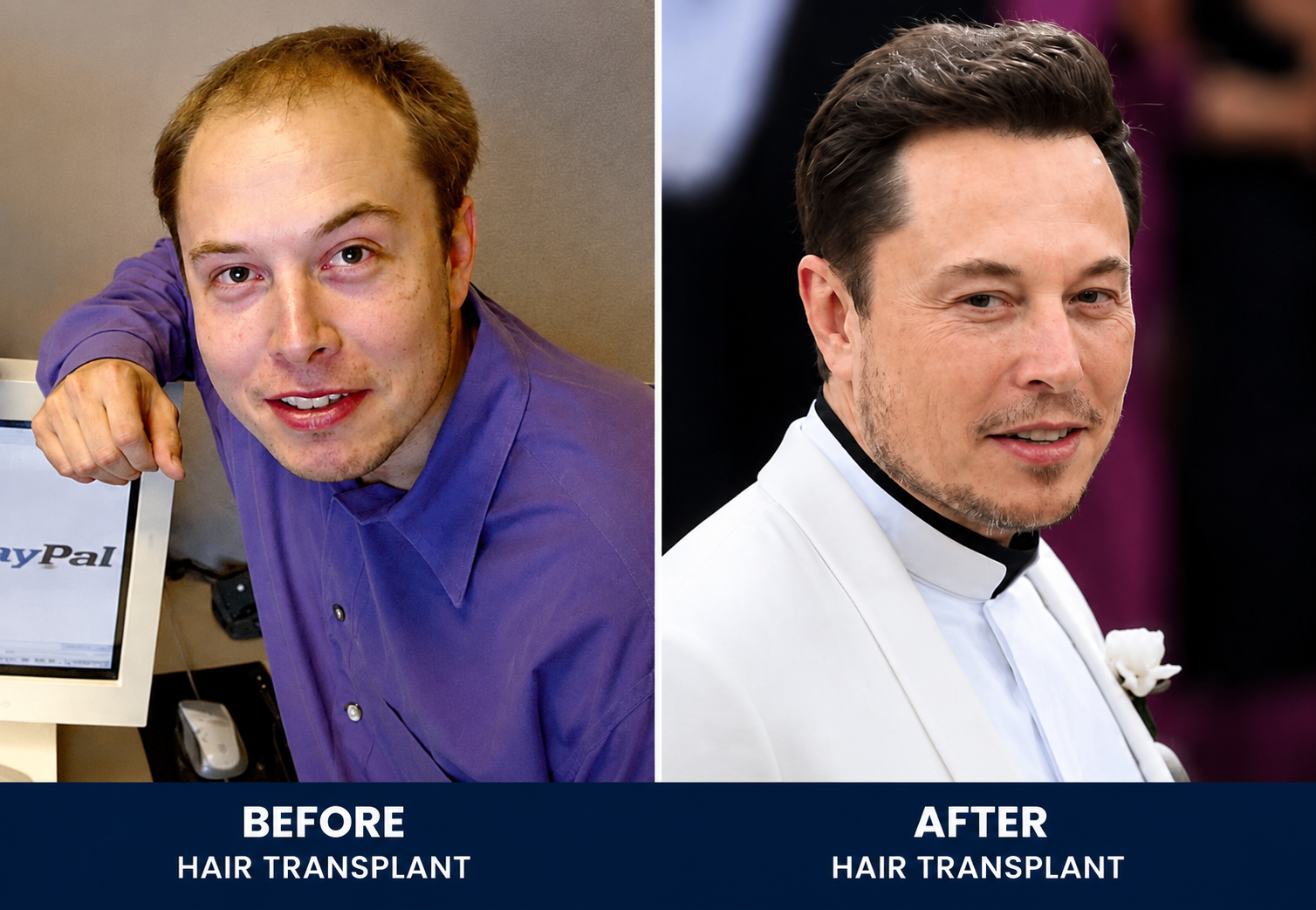
Does Finasteride Work After a Hair Transplant?
Yes.
Many hair restoration specialists recommend Finasteride after hair transplantation.
While transplanted hairs are generally permanent, existing native hair may continue thinning.
Finasteride may help:
- Preserve existing hair
- Slow future hair loss
- Maintain overall density
- Improve long-term results
Treatment decisions should always be discussed with a qualified medical professional.
What Happens If You Stop Taking Finasteride?
Finasteride only works while it is being taken.
If treatment is discontinued:
- DHT levels gradually return to normal.
- Hair loss progression may resume.
- Benefits achieved during treatment may gradually diminish.
Most patients who stop treatment lose the preserved hair within several months to a year.
What Are the Possible Side Effects of Finasteride?
Like any medication, Finasteride may cause side effects.
Potential side effects may include:
- Reduced libido
- Erectile dysfunction
- Decreased semen volume
- Breast tenderness
- Mood changes
Fortunately, most patients tolerate Finasteride well.
Patients should discuss risks and benefits with their physician before beginning treatment.
Are There Alternatives to Finasteride?
Alternative treatments include:
- Topical Minoxidil
- PRP Therapy
- Exosome Therapy
- Low-Level Laser Therapy (LLLT)
- Hair Transplantation
Many patients benefit from combination therapy.
Does Finasteride Regrow Hair? Final Thoughts
Finasteride remains one of the most effective medical treatments available for male pattern hair loss.
For many patients, it can significantly slow hair loss, preserve existing hair, and improve overall density.
The greatest benefits are usually seen when treatment begins early.
If you are experiencing progressive hair loss, consulting an experienced hair restoration specialist can help determine whether Finasteride is appropriate for you.
Frequently Asked Questions
Does Finasteride regrow hair?
Yes. Many patients experience stabilization of hair loss and varying degrees of regrowth.
How long does Finasteride take to work?
Most patients begin noticing benefits between three and six months, with maximum results appearing after approximately one year.
Does Finasteride work for everyone?
No. Individual responses vary depending on genetics, age, and the severity of hair loss.
Will I lose hair if I stop Finasteride?
Yes. Hair preserved by treatment is often gradually lost after discontinuation.
Can women use Finasteride?
Finasteride is primarily prescribed for men. Women should consult a specialist regarding appropriate treatment options.
Medical Disclaimer
This article is intended for educational purposes only and should not replace professional medical advice. Hair transplant outcomes, longevity, and long-term maintenance vary depending on individual factors such as genetics, donor hair quality, age, overall health, and ongoing hair loss progression. Always consult a qualified hair restoration specialist for a personalized evaluation and treatment plan.
Medical Sources & References
- International Society of Hair Restoration Surgery (ISHRS)
Hair Restoration Patient Resources
https://ishrs.org - American Hair Loss Association (AHLA)
Hair Loss & Hair Transplant Information
https://www.americanhairloss.org - American Academy of Dermatology (AAD)
Hair Loss: Diagnosis and Treatment
https://www.aad.org - National Health Service (NHS)
Hair Loss Overview
https://www.nhs.uk - European Hair Research Society (EHRS)
Hair Research and Clinical Guidance
https://ehrs.org