
Table of Contents
Dental implant surgery is an important step toward restoring your smile, but your recovery doesn’t end when you leave the clinic. One of the biggest factors that can support healing is your diet.
Choosing the right foods after dental implant surgery helps protect the implant site, reduces irritation, and supports your body’s natural healing process. While you don’t need to follow a restrictive diet forever, eating soft, nutritious foods during the first few weeks can make your recovery more comfortable.
In this guide, we’ll explain what to eat after dental implant surgery, which foods to avoid, and how your diet can support successful healing.
Why Does Your Diet Matter After Dental Implant Surgery?
After an implant is placed, your body begins a process called osseointegration, where the implant gradually bonds with the jawbone. During this time, it’s important to avoid putting unnecessary pressure on the implant site.
Eating appropriate foods can help:
- Protect the surgical area
- Reduce discomfort while chewing
- Support tissue healing
- Lower the risk of irritation
- Provide essential nutrients for recovery
Following your dentist’s aftercare instructions—including dietary advice—is an important part of a successful recovery.
What to Eat After Dental Implant Surgery
First 24 Hours
During the first day, choose cool or room-temperature foods that require little or no chewing.
Good options include:
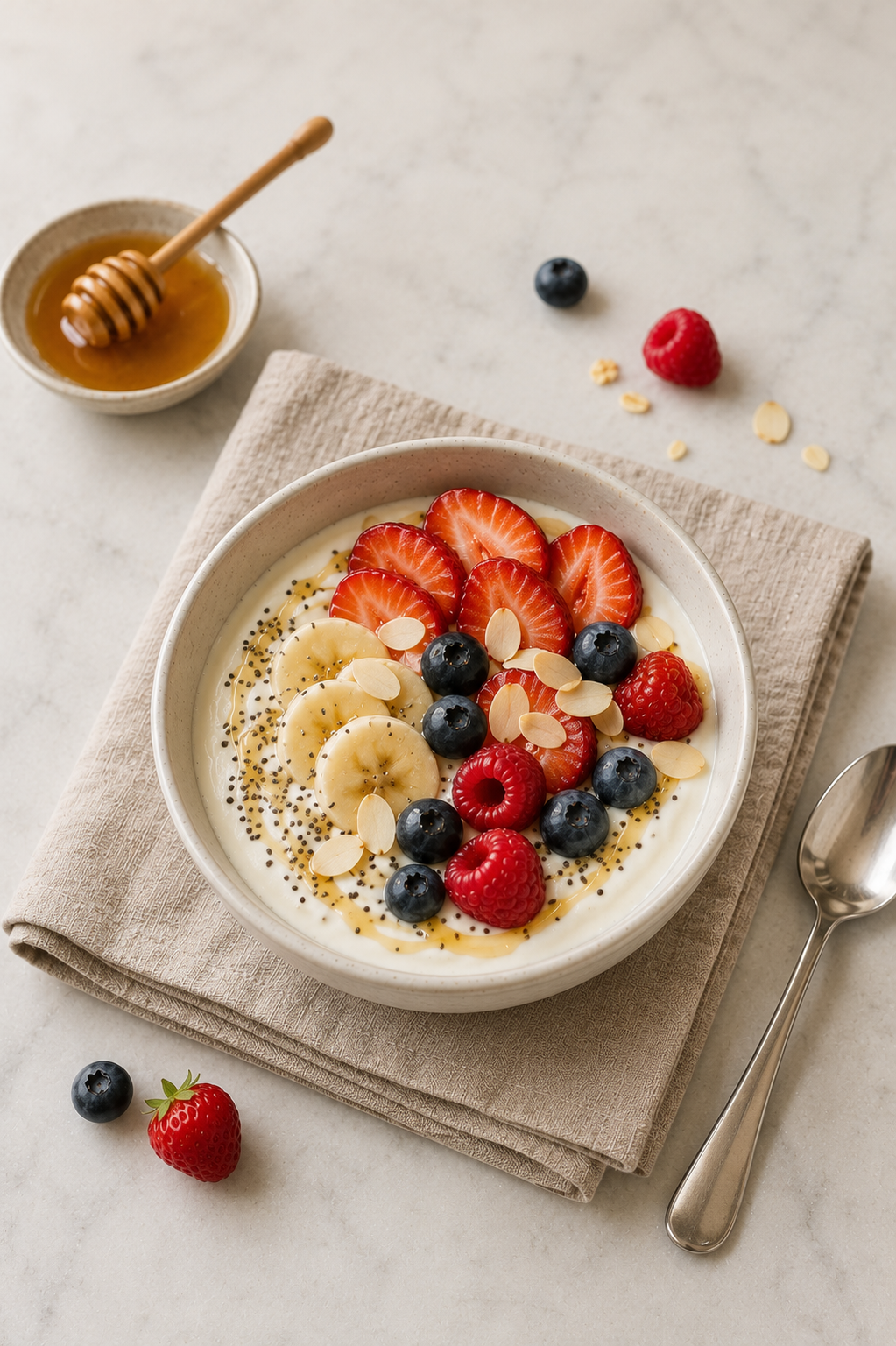
- Plain yogurt
- Smoothies (without using a straw)
- Applesauce
- Mashed avocado
- Cottage cheese
- Hummus
- Protein shakes (if recommended)
- Lukewarm soups
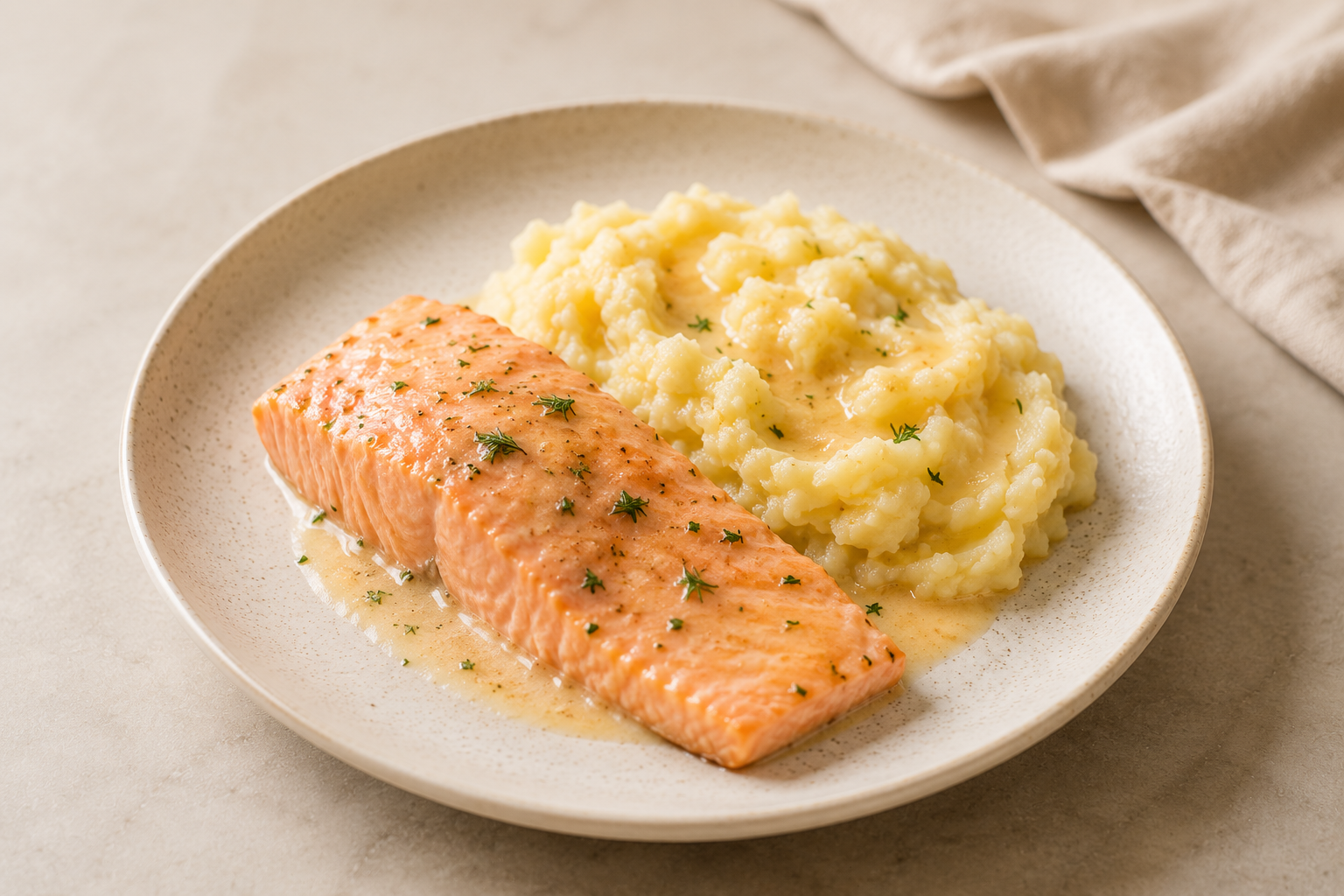
- Mashed potatoes
- Scrambled eggs (once comfortable)
Drink plenty of water throughout the day.
Days 2–7
As any swelling or tenderness begins to settle, you can gradually introduce slightly more substantial soft foods.
Examples include:
- Oatmeal
- Soft pasta
- Rice
- Well-cooked vegetables
- Soft fish
- Shredded chicken
- Tofu
- Soft pancakes
- Lentil soup
- Greek yogurt
- Soft cheeses
Chew on the opposite side of your mouth if your dentist recommends it.
Weeks 2–6
As healing progresses, many patients can slowly return to a more varied diet.
Foods may include:
- Tender chicken
- Salmon
- Ground turkey
- Soft fruits
- Cooked vegetables
- Rice bowls
- Soft sandwiches
- Whole grains
- Omelettes
- Pasta dishes
Avoid rushing back to very hard or crunchy foods until your dentist confirms it is appropriate.
Foods to Avoid After Dental Implant Surgery
Certain foods can irritate the surgical site or place unnecessary pressure on the implant.
Hard Foods
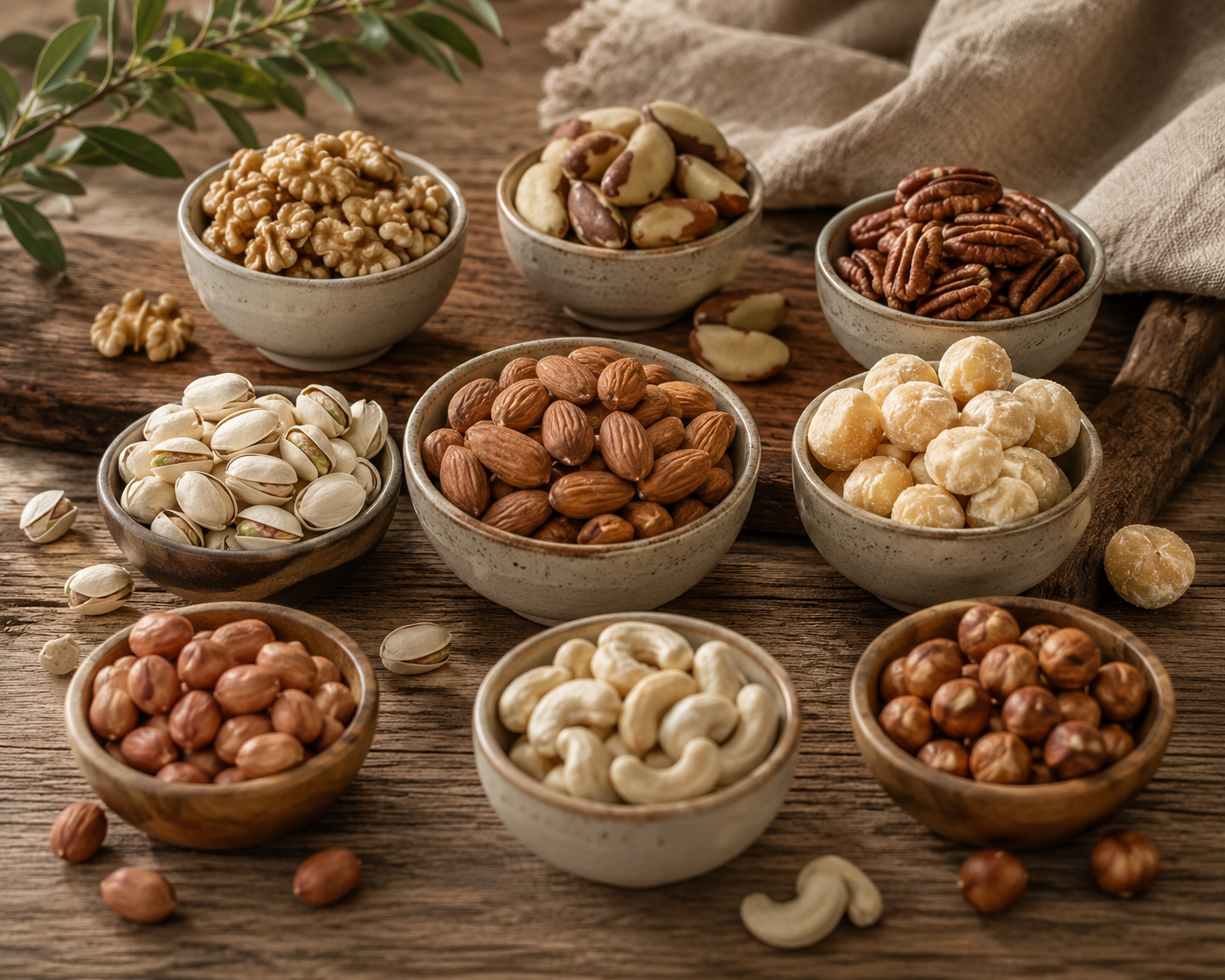
Nuts
Ice
Hard sweets
Popcorn kernels
Crusty bread
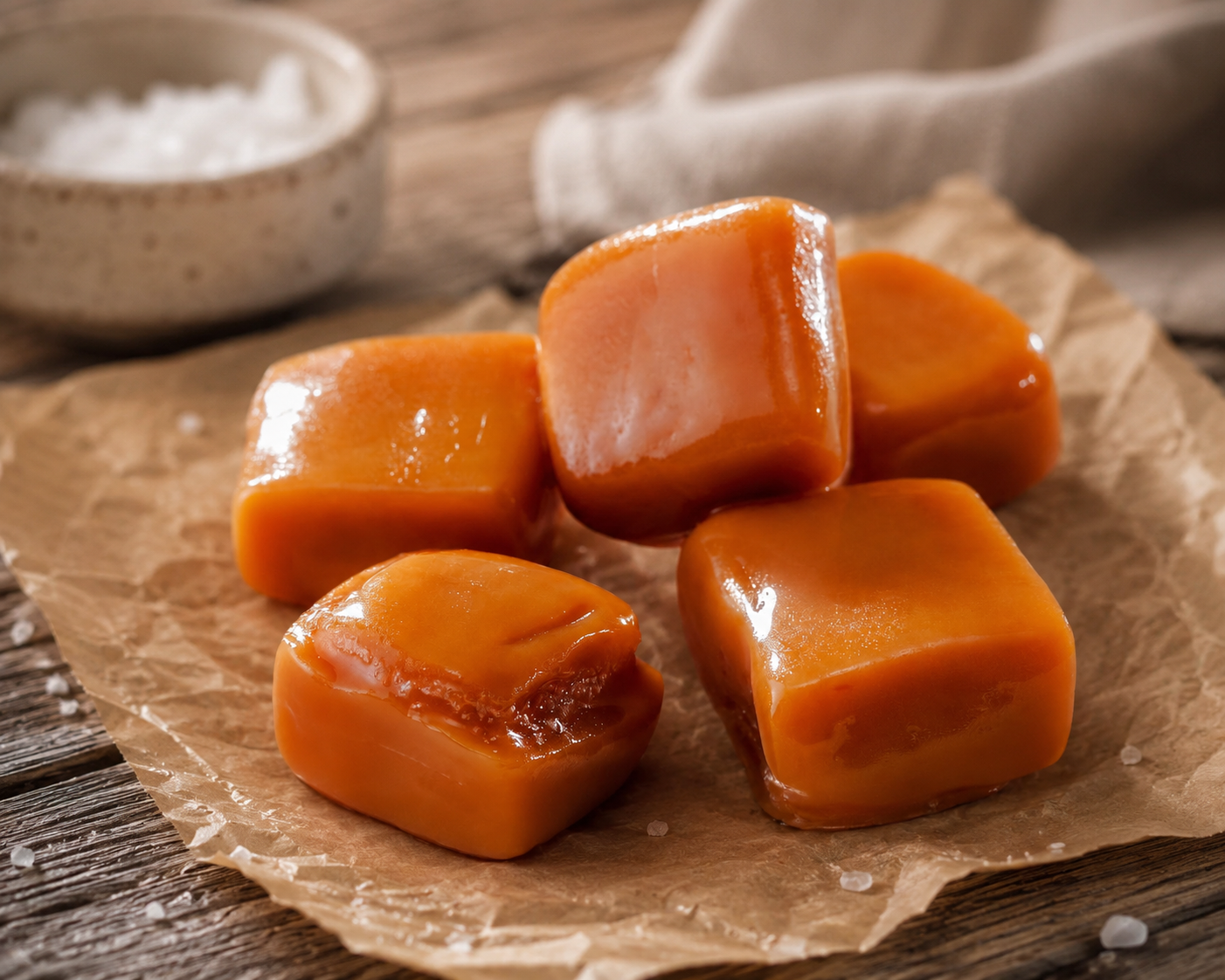
Sticky Foods
Caramel
Chewing gum
Toffee
Crunchy Foods
Crisps
Crackers
Raw carrots
Toast
Spicy Foods
Highly spicy meals may cause discomfort around the healing tissues.
Very Hot Foods and Drinks
Allow food and beverages to cool slightly before eating, particularly during the first 24 hours.
Can You Drink Coffee?
Many patients ask whether coffee is allowed after dental implant surgery.
Your dentist may recommend avoiding very hot drinks for the first day because heat can increase discomfort and may interfere with the formation of the initial blood clot.
Once you’re comfortable, lukewarm coffee is generally better tolerated than very hot coffee. Follow the specific advice provided by your dental team.
Can You Drink Through a Straw?
It’s generally recommended to avoid drinking through a straw immediately after oral surgery.
The suction created by a straw may disturb the healing tissues and interfere with the initial recovery process.
Instead, drink directly from a glass or bottle unless your dentist advises otherwise.
Foods That May Support Healing
A balanced diet provides your body with the nutrients it needs during recovery.
Consider including foods rich in:
Protein
Supports tissue repair.
Examples:
Eggs
Greek yogurt
Fish
Chicken
Beans
Lentils
Tofu
Vitamin C
Supports collagen production.
Examples:
Soft berries
Kiwi
Citrus fruits (if comfortable)
Bell peppers
Calcium
Helps maintain healthy bones.
Examples:
Milk
Yogurt
Cheese
Calcium-fortified alternatives
Omega-3 Fatty Acids
Found in oily fish such as salmon, omega-3s may support the body’s natural healing response as part of a balanced diet.
Tips for Comfortable Eating
During the first few days:
- Take small bites.
- Chew slowly.
- Avoid chewing directly on the implant site.
- Stay hydrated.
- Eat several smaller meals if large meals feel uncomfortable.
Listening to your body and following your dentist’s guidance can help make recovery smoother.
What If Eating Is Painful?
Some mild discomfort is expected after dental implant surgery, particularly during the first few days.
However, severe pain, persistent swelling, excessive bleeding, or signs of infection should be reported to your dental provider promptly.
If you’re unsure whether your symptoms are part of normal healing, it’s always best to seek professional advice.
Frequently Asked Questions
When can I eat normally again?
Most patients gradually return to their usual diet over several weeks, although the exact timeline depends on the complexity of the procedure and individual healing. Your dentist will advise when it is safe to resume harder foods.
Can I eat bread after dental implant surgery?
Soft bread may be tolerated after the first few days, but crusty or very chewy bread should be avoided until your dentist confirms that healing has progressed.
Can I eat rice?
Yes. Once you’re comfortable chewing soft foods, rice is generally a suitable option. Make sure it isn’t excessively hot.
Can I eat chocolate?
Soft chocolate may be acceptable in moderation once initial healing has begun, but hard or sticky sweets should be avoided during the early recovery period.
What is the best food after dental implant surgery?
Soft, protein-rich foods such as yogurt, eggs, mashed potatoes, soups, and soft fish are commonly recommended because they are easy to eat and provide nutrients that support healing.
Why Choose Novera Healthcare?
At Novera Healthcare, we believe successful treatment continues long after your procedure. That’s why we provide every patient with personalised aftercare guidance, including practical advice on eating, oral hygiene, and recovery.
Our experienced dental professionals and international patient coordinators are available to answer your questions and support you throughout your healing journey, helping you feel confident every step of the way.
Final Thoughts
Recovering from dental implant surgery doesn’t mean giving up enjoyable meals—it simply means choosing foods that support healing while protecting your new implant.
By following your dentist’s advice, staying hydrated, and gradually reintroducing firmer foods, you’ll give your implant the best possible environment to heal successfully.
Every patient’s recovery is different, so if you have any concerns during your healing process, don’t hesitate to contact your dental team for personalized advice.
Sources & References
- American Dental Association (ADA)
- International Team for Implantology (ITI)
- European Association for Osseointegration (EAO)
- National Health Service (NHS)
- World Health Organization (WHO)
Medical Disclaimer
The information provided in this article is intended for educational purposes only and should not be considered medical advice. Every patient is unique, and treatment recommendations vary depending on individual circumstances. Always consult a qualified healthcare professional for a personalised assessment and treatment plan.